
Overview
I joined Verinext as UX Manager to assess, define, and establish a more mature, scalable UX practice within a technology consulting organization. At the time, UX existed in a limited, tactical capacity, without a clear charter, operating model, or consistent integration into delivery teams. My role focused on evaluating the current state, aligning UX with business and delivery needs, and defining a clear strategic direction for the practice.
Challenge
Verinext faced several UX maturity challenges:- UX involvement was inconsistent and often late in project lifecycles
- Engineering and sales had limited clarity on how UX could support delivery and growth
- UX lacked a formal charter, success measures, and engagement model
- Leadership needed a clear understanding of UX’s business value
Approach
UX Practice Audite
I conducted a full audit of the existing UX practice, including:- Process and artifact review
- Project engagement patterns
- Skill and capability assessment
- Gaps in tooling, standards, and governance
Cross-Functional Discovery
I met with stakeholders across:- Engineering
- Sales
- Delivery leadership
- Account management
- Sales enablement
- Project delivery
- Client satisfaction
- Business growth
UX Charter Definition
Using these insights, I partnered with leadership to define and deliver a new UX charter that clarified:- UX mission and purpose
- Engagement model with project teams
- Core services and deliverables
- Success metrics and expectations
- Alignment with Verinext’s business objectives
Tools Include
Jira, Figma, Pluralsight, Whiteboard SessionsScreenshots
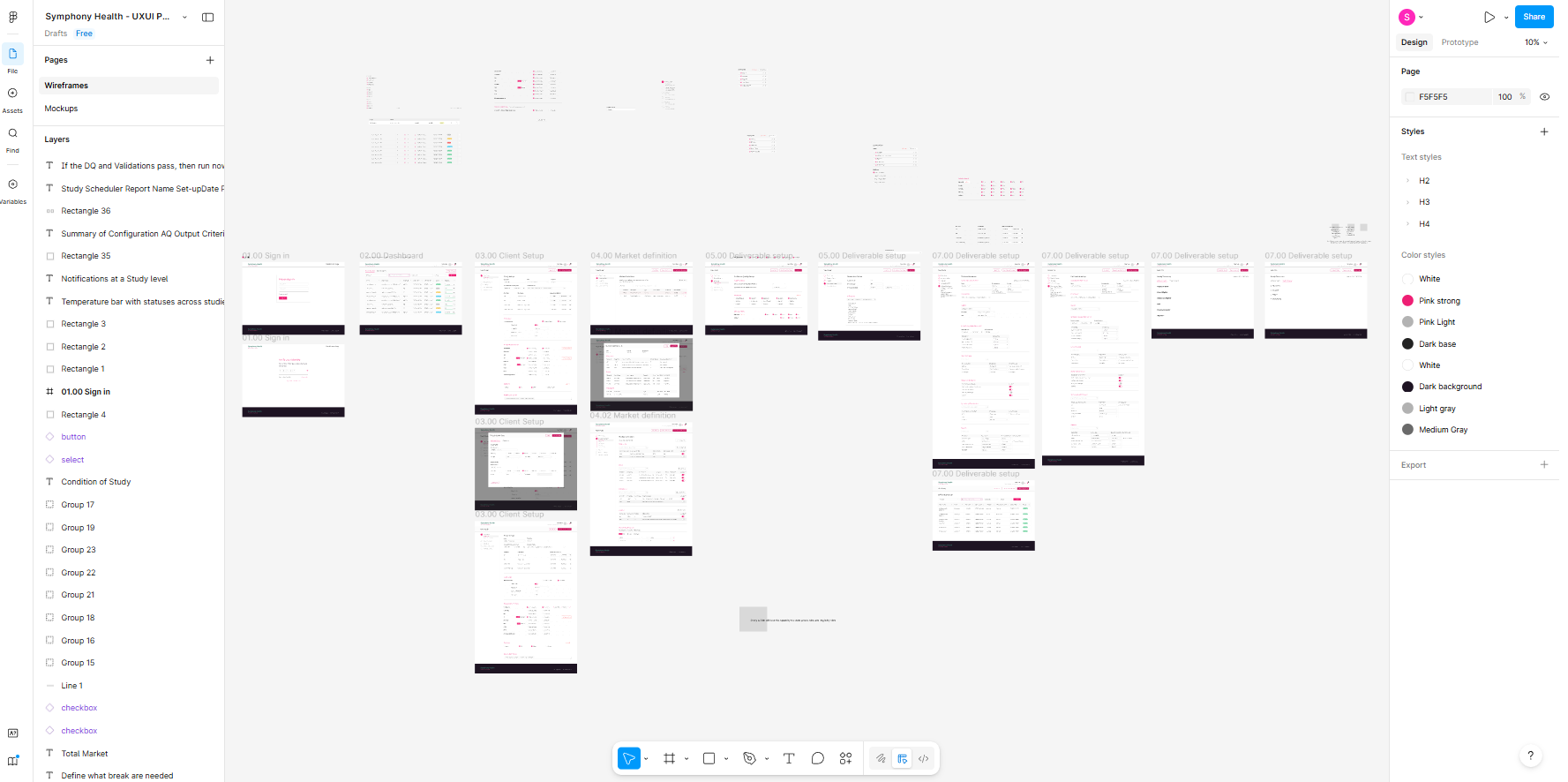
Redesign, Figma
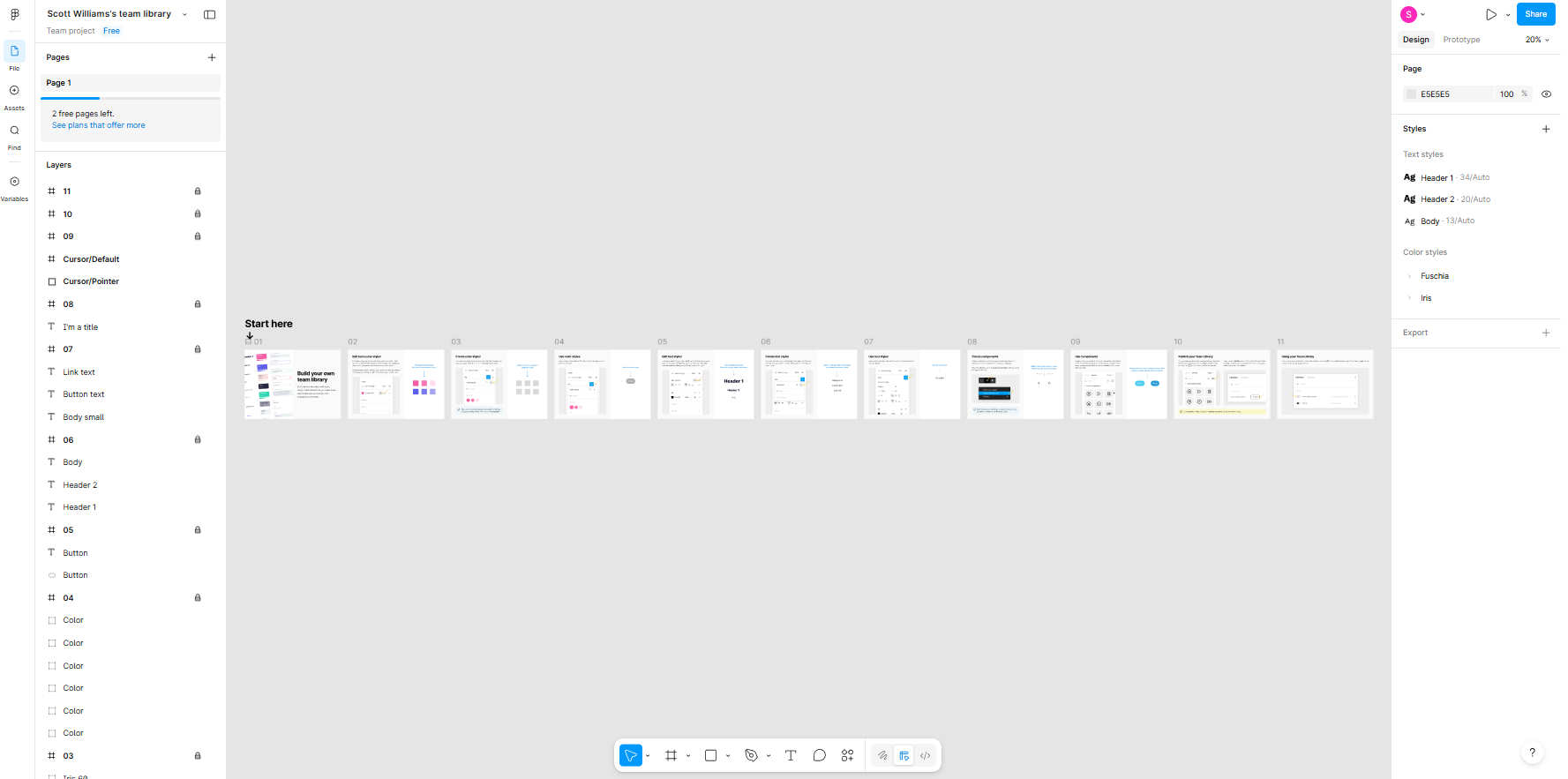
Design Library, Figma
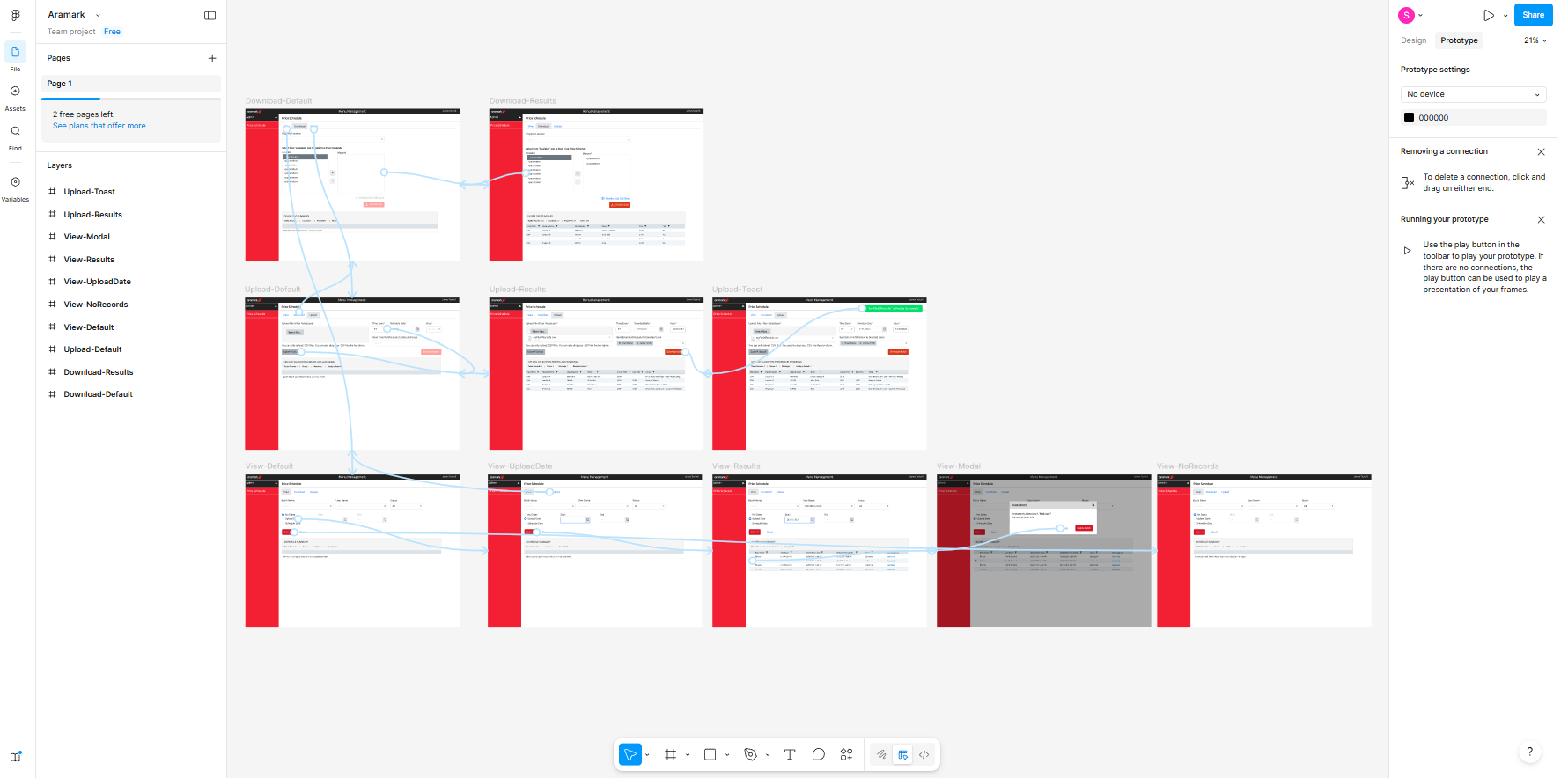
Workflow, Figma
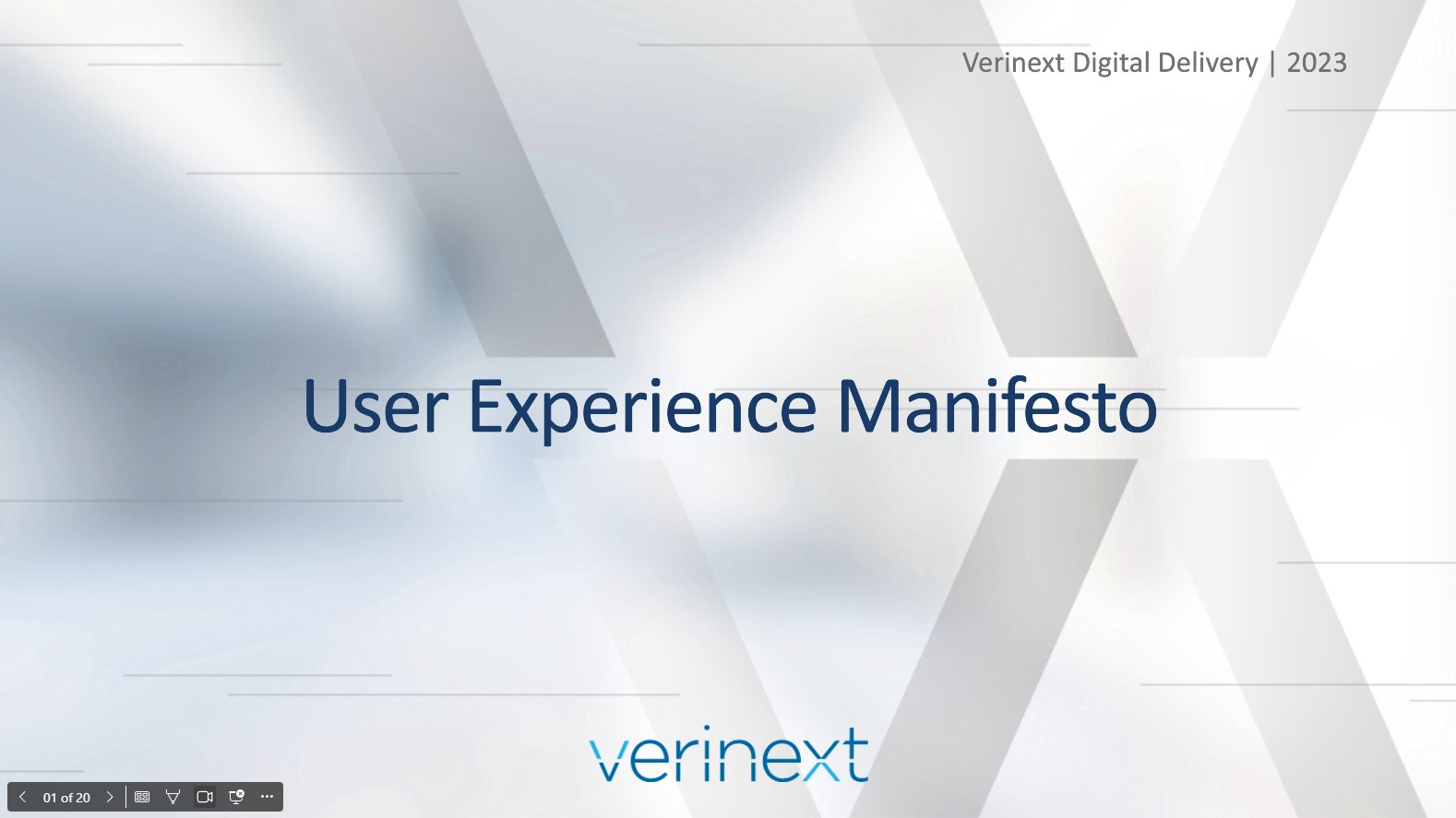
UX Manifesto

Roadmap
Results
- Delivered a formal UX charter adopted by leadership
- Established clearer UX engagement pathways across delivery teams
- Improved cross-functional understanding of UX value
- Positioned UX as a strategic partner rather than a tactical service
- Created a foundation for future UX practice growth and maturity